A report has found that odours from Ipswich industrial estates have impacted the health and wellbeing of thousands of residents.
The Swanbank Public Health Inquiry was tabled by Health Minister Tim Nicholls in Queensland Parliament yesterday.
The inquiry, led by the former Chief Health Officer Dr John Gerrard, included complaints from more than 500 locals.
The findings also revealed that there was no evidence that the odours were ‘toxic’ or a ‘cancer risk’ to residents.
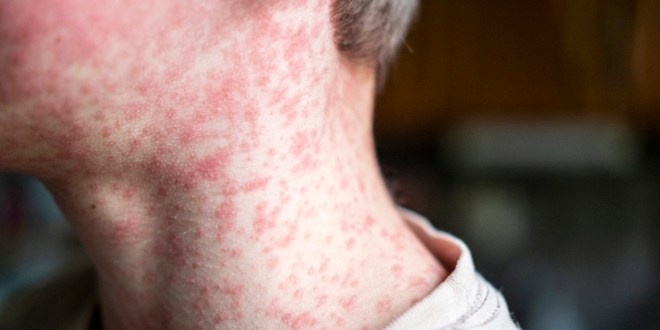
However from locals surveyed, there was evidence of adverse health affects including nausea, headaches, coughing and wheezing, skin irritations, sleep disturbances and stress.

The former Chief Health Officer Dr John Gerrard said the inquiry showed that although not toxic, the foul smell coming from the industrial areas was having a negative impact on the daily lives of thousands of Ipswich residents.
“We found that odorous chemicals in the air don’t need to be at toxic levels to affect people’s health,” he said.
“The human health issues aside, we also found that the smell had social impacts, with residents reducing the time they spent outdoors, being reluctant to host visitors, and worrying about the reputation of their community,” Dr Gerrard said.
The Crisafulli state government is now planning to take on all eight recommendations including stopping plans for residential development near dumps and forcing waste companies to have enclosed facilities
The Inquiry’s full list of recommendations are as follows:
- providing some immediate relief to the community from the most offensive odours from composters,
- considering options for providing long-term relief from highly offensive odours, either through the construction of enclosed composting operations or relocating composters to a new location,
- applying the above recommendations to other commercial composting sites in Ipswich,
auditing all remaining odour-producing companies and developing an overarching odour management plan for the industrial areas, - expanding the air monitoring program to more accurately assess community health impacts,
- prohibiting future residential developments from encroaching within buffer distances for the industrial areas,
- leveraging existing laws and considering legislative improvements to better manage odours,
- and establishing an inter-departmental committee to oversee the implementation of the recommendations.
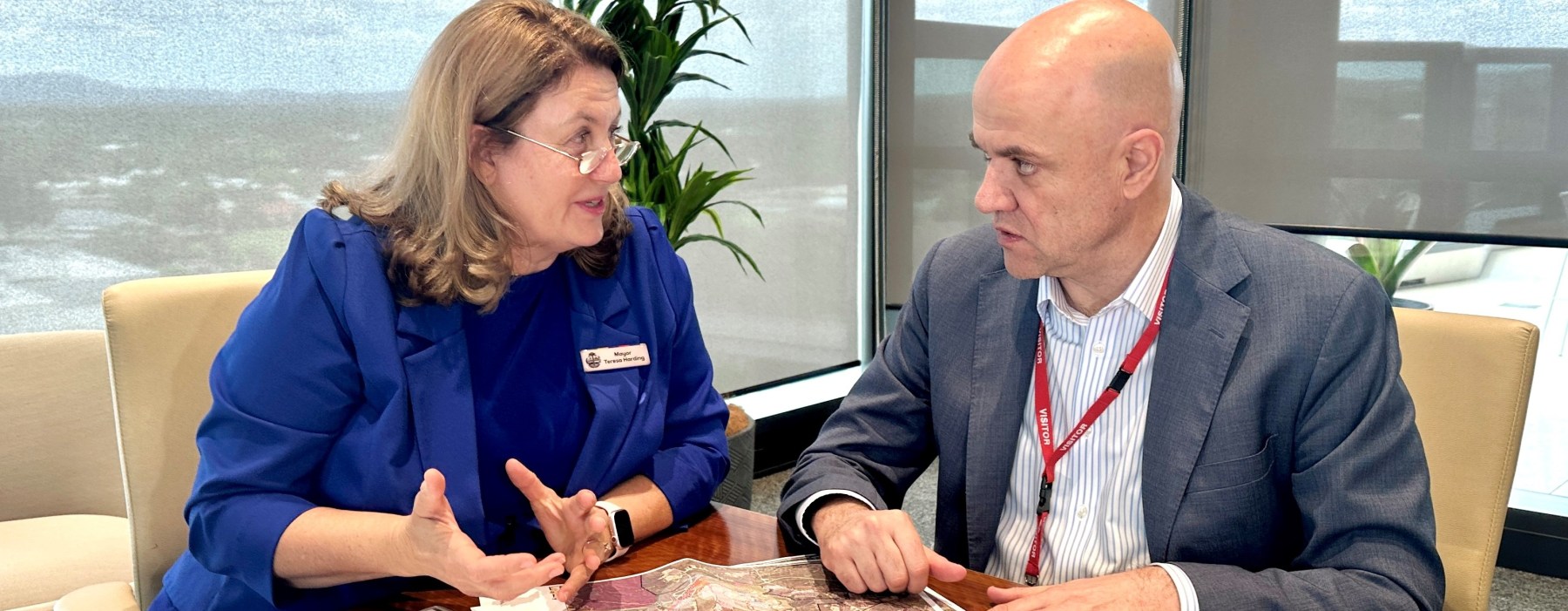
Ipswich Mayor Teresa Harding said the outcome of the Swanbank Public Health Inquiry validates what the community has been experiencing for years.
“There’s evidence that the odours are not toxic and not causing cancer but the odours are very much causing negative health and well being impacts,” Mayor Harding told River 949’s Marnie and Campo.
“I think it means a lot to residents and that they have been listened to with medical evidence proving that this has occurred,” she said.
Mayor Teresa Harding has blamed the waste companies, who were not compliant and doing illegal activities, on causing the odour issues.
“There has been a few companies who have been fined after the state government took them to court,” she said.
“Cleanaway was fined $600,000 last year for seven odour nuisance offences, Wood Mulching Industries (WMI) copped a $13,000 fine in 2021 and Nu Grow was fined $45,000 in 2023” she said.
“Whilst the review was just on Swanbank and New Chum there’s an assurance that the Department will have a strong compliance in Karalee, North Ipswich and Tivoli and making sure the recommendations being made are over those areas as well,” Mayor Harding said.
For more on the Swanbank Public Health Inquiry click the following link: https://www.health.qld.gov.au/research-reports/reports/review-investigation/swanbank-public-health-inquiry