
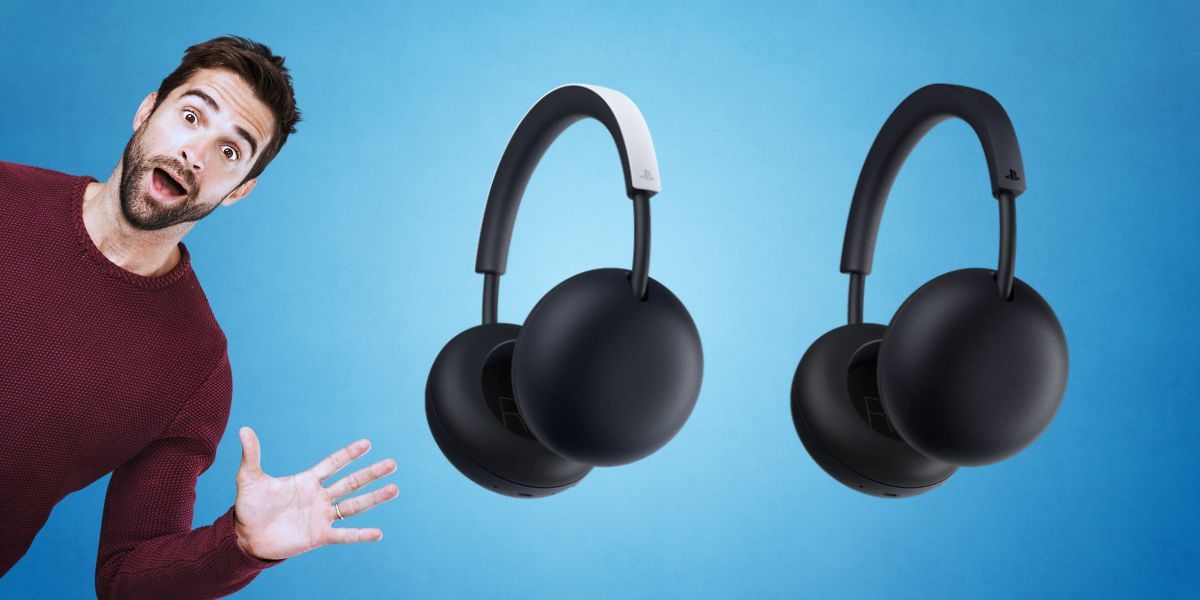
Sony changed expectations back in 2024 when they brought planar magnetic drivers to console gaming with the Pulse Elite. Now, they have refreshed the range with the standard PlayStation Pulse wireless headset. Priced at an accessible AU$159.95 (or US$99.99 abroad), it aims to make premium studio-grade acoustic performance the standard rather than an expensive luxury. But does it deliver the everyday comfort and sound quality that makes living with it a genuine joy?
Here is everything you need to know after extensive hands-on testing.
Why Does the New Pulse Exist?
Audio hardware usually follows an unwritten rule: budget friendly means basic dynamic drivers with muddy bass, while planar magnetic precision is strictly reserved for people who don’t need to worry about the mortgage or putting the kids through school.
When Sony acquired audiophile manufacturer Audeze and launched the Pulse Elite, they realised players loved surgical sound separation, but many wanted a sleeker, simpler, and more durable package that simply worked without fuss. Players want something that sounds incredible during an intense evening gaming session, yet blends seamlessly into a living room or commuter bag without looking like a piece of bulky aerospace equipment.
Available in both classic PlayStation White and Midnight Black, the design departs from the slightly quirky, sweeping cone head curves of its predecessors in favour of a cleaner, more refined aesthetic and as much as I enjoyed the uniqueness of the previous, I’m certainly here for the new look and comfort.
How It Performs in Everyday Life
When it comes to how this thing actually sounds, Sony isn’t messing around. They’ve packed the Pulse with studio-inspired planar magnetic drivers, which is really just a fancy way of saying your games are going to sound incredibly rich and lifelike. The spatial audio and sound separation are so spot-on that you’ll be able to pinpoint exactly where those sneaky footsteps or distant reloads are coming from in your favourite shooters. Plus, they’ve beefed up the drivers this time around to give you a much deeper, punchier bass without muddying up the crisp audio details you actually need to hear.
Performance isn’t just about what you hear, though, it’s about what your squad hears. The built-in mic uses AI noise rejection to aggressively filter out your background chaos, meaning your teammates will hear your clutch callouts instead of your mechanical keyboard or whatever else is happening in the same room. Add in the ultra-low latency connection from the PlayStation Link and the ability to seamlessly connect to your phone via Bluetooth at the exact same time, and you’ve got a headset that effortlessly juggles your intense gaming sessions and your real-world group chats without missing a beat.
Let’s talk about comfort, because nobody wants a vice grip on their skull during a marathon gaming session. Sony has given the Pulse an updated design focused entirely on keeping things cozy and durable for the long haul. Whether you’re grinding through a massive RPG or just hanging out in party chat for hours, this headset is built to sit comfortably without giving you that dreaded gamer headache.
And when it’s finally time to log off and touch some grass, they’ve made it super easy to take with you. The earcups now rotate so the whole headset can lay completely flat, which is perfect for sliding into a backpack without worrying about snapping a band. Plus, you get to choose between a sleek White or a classic Midnight Black, so it’s going to look just as good resting on your desk as it does on your head.
The Competition: How Does It Stack Up?
The mid-tier wireless headset category is intensely competitive. Headsets like the SteelSeries Arctis Nova 7 and the Razer BlackShark V2 Pro have long dominated this space. Both offer comfortable builds and reliable wireless operation.
However, the PlayStation Pulse completely outclasses almost everything at this retail price point in one critical area: sheer harmonic clarity. Traditional gaming headsets in this price tier typically rely on standard 40mm or 50mm dynamic drivers that boost the low frequencies heavily, which often masks subtle mid-range vocals and delicate environmental details. The planar technology inside the Pulse offers a cleaner, far more open soundstage.

If you are already invested in the PlayStation ecosystem (particularly if you own a PlayStation Portal remote player) the native PlayStation Link integration provides an instant, stable connection that standard Bluetooth cannot match.
Final Verdict
The PlayStation Pulse wireless headset bridges the gap between audiophile performance and everyday domestic convenience. While competitive players seeking ANC and physical chat dials may prefer to wait for the more expensive Pulse Edge, the standard Pulse offers astonishing clarity, comfortable daily wear, and effortless multi-device connectivity at an approachable price.
Recommended: Yes, without hesitation. It represents one of the most balanced, high-value audio upgrades currently available for console and PC gaming.